
Metro Manila
The City of Contrasts
Metropolitan Manila is the capital region of the Philippines with over 15 million people living and working in this vibrant city. Manila, how most people simply call it, is full of contrasts and nowhere more than here can you feel the development of the country. It is the place where all the world's embassies are located, the economic center of the country and the place of Malacañang, the residence of the President of the Philippines. It is a must visit for anyone visiting the country, and see the capital itself - the atmosphere, the energy and getting to know one of the biggest cities in the world.
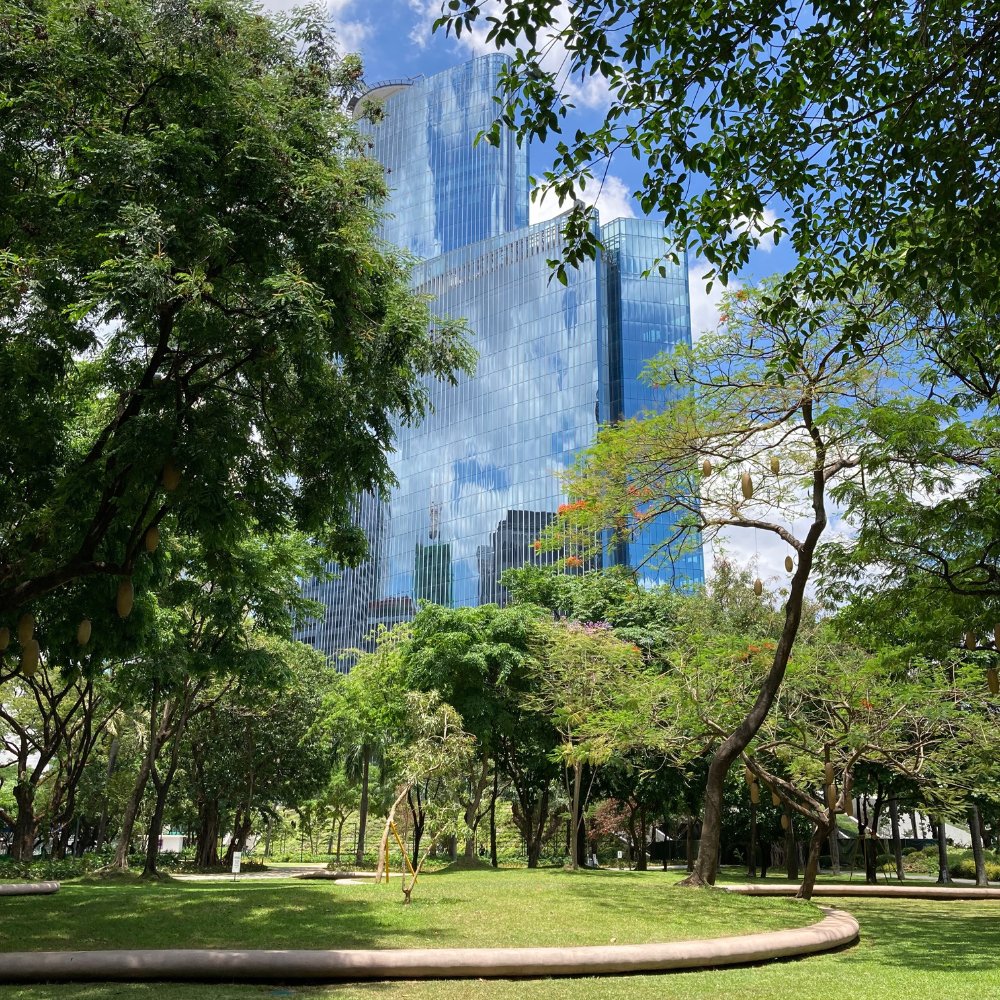
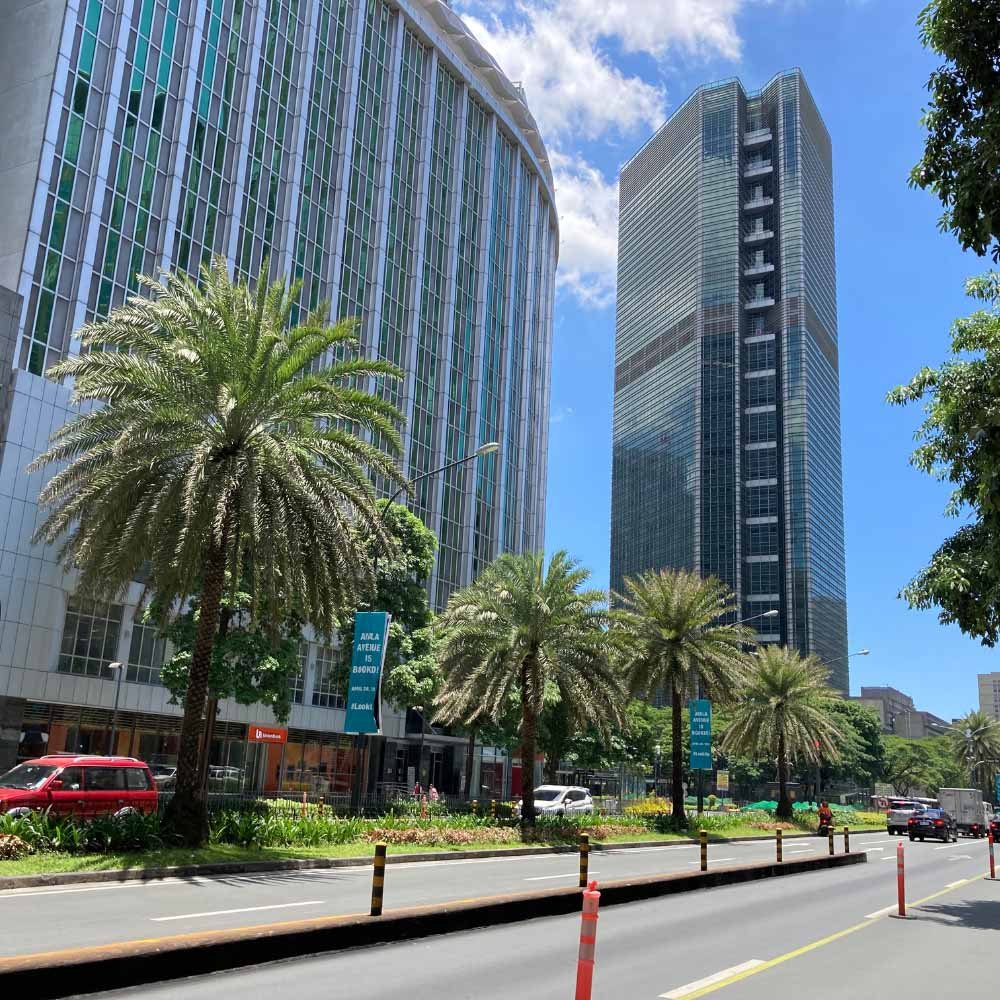
Manila is located south of the island of Luzon. It borders Bulacan in the north, Cavite in the south and Antipolo in the east. As a highly urbanised city you will find all embassies, big banks, universities, many cultural landmarks and of course, all the big malls. SM Mall of Asia, one of the biggest malls in the world, hosts the world's biggest Ikea. Greenbelt is beloved by tourists and locals for its beautiful design and well-thoughtout mall experience. In Manila you will find "lots" of food options, from sushi to pizza to filipino delicacies and street foods. While traffic and infrastructure challenges exist, Manila is a dynamic hub full of opportunities. Whether for work, lifestyle, or exploration. Just what you'd expect from one of the biggest cities in the world.
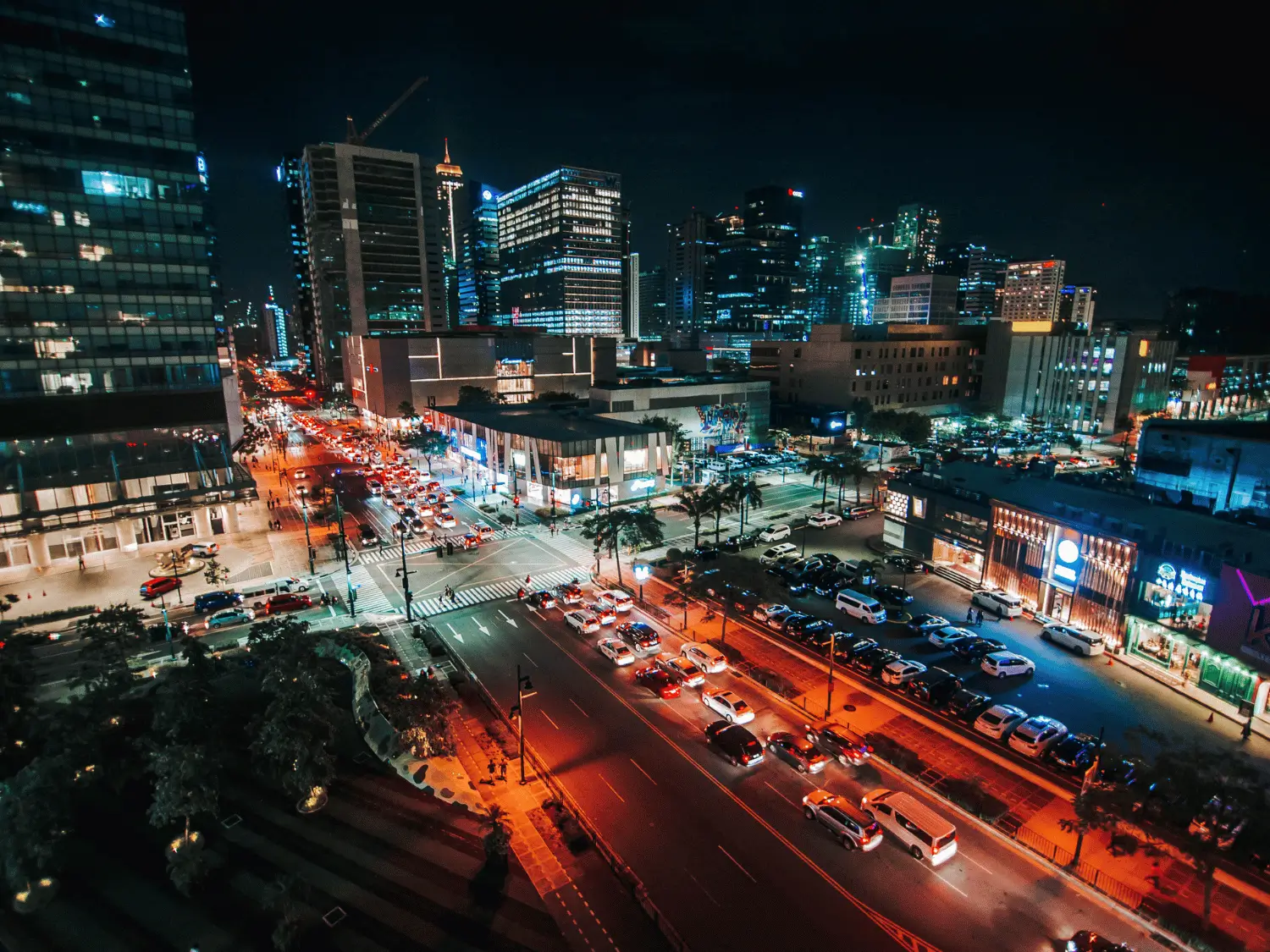
A scenic night time view of Metro Manila's bustling BGC Taguig. The city has grown within few years from an empty space to Metro Manila's "place to be." It boasts the growth of one of Asia's rising star, welcoming the world with open arms. Nowhere can the progress be seen so much as in this city. But the older cities are reshaping themselves and creating new spaces as well. Every year new buildings and new shops and restaurants pop-up and redraw the scenes of the towns.
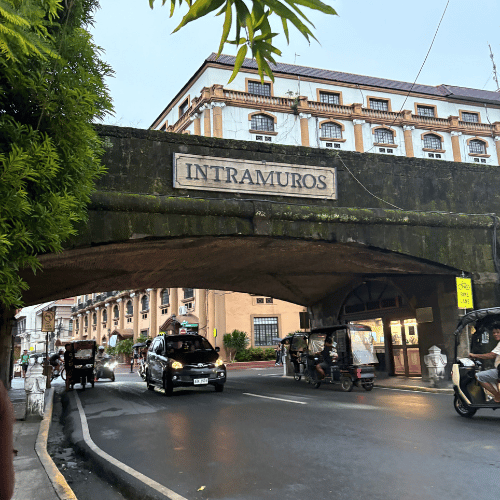
The Big City Life
There is no place in Manila that doesn't have something to offer you. Wherever you go, you will find something to eat, drink, shop, hang out, and chat. Filipinos are easy to connect with.
There are 17 municipalities in Metro Manila reaching from Quezon City to Muntinlupa. What to expect? Well, big city life for sure! Each of these areas is special in its own way, but to make it easier to digest, we will write down about the most popular ones.
Makati
On the top of our list is Makati. Makati is in the middle of the cake (Metro Manila) and that's also how it feels. Makati is known as the business district and it's what you feel the moment you arrive. There are skyscrapers wherever you look at, business people walking around, and cars flowing the streets where. You can feel the busy vibe and that something is happening here.
It is special and there is no other place in the Philippines that can give you this feeling like Makati can give you. While BGC is the new and modern city, Makati has more life in the streets, you can feel that this city has been around for much longer. Every corner is alive.
From banks to business and malls, every corner is filled with excitement. The main street is called Ayala. In the middle of it is the Ayala triangle. A serene place where you can take a deep breath and time runs a bit slower. But despite the calmness, it is home to the former Philippine Stock Exchange. Nearby is a huge mall complex comprising of several malls, all interconnected with each other. They are Glorietta, SM, Landmark and Greenbelt.
Further there is Makati Avenue, Paseo de Roxas, Salcedo, Legazpi, Poblacion, you name it.
Makati is a great place to start your journey in Metro Manila!
BGC
Just next to Makati, tucked in the heart of Taguig is BGC. The new modern city in Metro Manila with beautiful new skyscrapers, open spaces and full of energy.
BGC is known for its cleanliness, pedestrian-friendly walkways, and has a nice mix of businesses, restaurant, and entertainment. Bonifacio High Street is a landmark that stretches from the Market Market Mall down to the Shangri-La Hotel. While at Burgos Circle coffee shops, delicious dining spots and shopping experiences can be enjoyed. The athmosphere might remind you of Singapore and strolling around feels very easy.
There are markets on the weekends like in Makati Salcedo and if you love nightlife, then BGC won't disappoint you. The Fort Strip and nearby streets are packed with bars, clubs, and lounges. Whether it's a laid-back rooftop bar or a dance floor, you will find what you want.
BGC is favourable by many foreigners and it delivers without a doubt a perfect blend of efficiency and excitement. If you are in Manila you will visit this place for sure. And you will like it, that's also for sure.
Mandaluyong & Pasig
If you’re looking for a mix of city life and local flavor, Mandaluyong and Pasig can deliver you that. These neighboring cities are often overshadowed by Makati and BGC, but they have their own uniqueness and character.
Mandaluyong is a busy commercial hub, home to the iconic Shangri-La Plaza and the big SM Megamall, one of the largest shopping complexes in the country and the world. The streets here are alive with lots of activity. The Ortigas Center, standing between Pasig and Mandaluyong is a major business district. While during the day it's busy and all is about business, it gets quiet in the evening and at night.
You’ll find lots of coffee shops, delicious serving restaurants, and a few green spaces. The Asian Development Bank has its headquarter here and right beside it you wil find Podium, a beautifully designed mall with lots of shops and very good restaurants from Filipino to Sushi. Definitely worthy!
The Kapitolyo neighborhood is another re-imagined place. Packed with restaurants and few bars where you can easily find yourself spending hours just to enjoy the good vibe.
Together, Mandaluyong and Pasig create a dynamic duo with lots of energy. You just need to experience it! Whether you’re here for shopping, dining, or just exploring, you can't go wrong here.
Quezon City
Quezon City is the largest city in Metro Manila. Unlike the polished skyscrapers of Makati or BGC, QC (as locals call it) is raw and diverse.
From the bustling streets of Cubao to Timog Avenue and Morato, where you will find bars, restaurants, live musc spots lined-up, you will definitely find something that suits your taste. Maginhawa is a foodie paradise with coffee shops, bakeries and eateries that define Manila's evolving culinary scene.
Quezon City is also home to many malls such as Ayala Trinoma, SM North EDSA, and Gateway Mall. Araneta Center is another worthy mention. The coliseum is a place where many international and national artists have held their concerts. And do you remember the boxing match between Muhammad Ali and Joe Frazier called the Thrilla in Manila? It was exactly here! A purely historic place. If that's not worth a visit, I don't know if you really want to know Manila.
Pasay
Pasay is more than just a transit point, it’s a destination. It's packed with history, entertainment, and a distinct coastal vibe the other places can't offer.
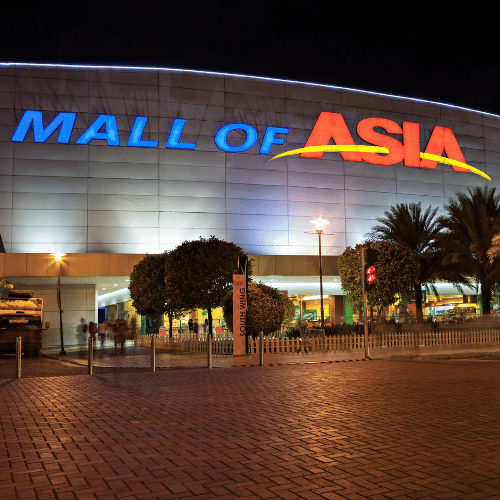
At the heart of Pasay lies the Mall of Asia (MOA) Complex, a shopping hub that’s more than just a shopping center. It is one of the largest malls in the World. Here you can shop, dine, walk, drink, eat, and enjoy views of nearly the entire Manila Bay for as long as you want. The MOA Arena and the giant Ferris wheel add a touch of excitement and romance to the skyline. Actually, the whole area around MOA is full of entertainment. There are huge casinos like Okada Manila, City of Dreams or Solaire, where entertainment literally never stops.
But Pasay isn’t just only about attractions. The city is steeped in history. Lots of history. It is home to the Cultural Center of the Philippines (CCP), many landmarks that have hosted some of the country’s most significant events, amusement parks and entertainment that will keep you up until the next morning.
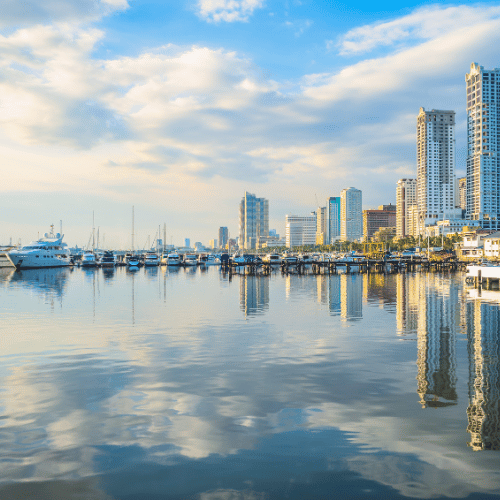
The Manila Baywalk area is a popular spot, especially at sunset when the sky turns golden and the bay glistens. You can take a bike ride, or just absorb and enjoy the sea breeze. In Pasay you will discover many things. Simply walk and you will find lots of things. You won't get bored in Pasay we can guarantee you that.